


Tired, stained carpet can make even the most beautiful home feel dated and dusty. While the clean, elegant lines of hardwood floors are a desirable upgrade, the “hidden” costs of a poor installation often hold homeowners back. Choosing the wrong materials or an unskilled installer can lead to squeaks, gaps, and a wasted investment.
Understanding the real cost of replacing carpet with hardwood is essential for a successful home transformation. This guide breaks down the financial components, from material selection to professional craftsmanship, to help you plan a floor replacement that adds lasting value and character to your home.
Quick Answer
Replacing carpet with hardwood floors typically costs between $8 and $25 per square foot, including both materials and professional installation. The final price depends heavily on the type of hardwood (solid vs. engineered), wood species (oak vs. exotic), subfloor condition, and the complexity of the room layout. Labor often accounts for 40-50% of the total project cost.
Table of Contents
Understanding the Average Cost of Replacing Carpet with Hardwood Floors
The total investment to replace carpet with hardwood flooring generally ranges from $8 to $25 per square foot. This range covers everything from removing your old carpet to the final plank being set in place. For a standard 15′ x 15′ room (225 square feet), you can expect a project budget anywhere from $1,800 to over $5,625. Where your project lands in that spectrum is determined by two primary components: materials and labor.
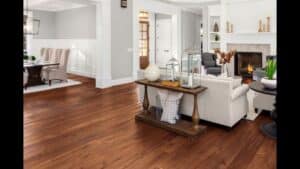
Breaking Down Hardwood Flooring Installation Costs: Materials vs. Labor
Your project’s cost is roughly a 50/50 split between materials and professional labor. Material costs, ranging from $4 to $15 per square foot, are dictated by your choice of wood species, plank width, and finish. Opting for a common domestic wood like Red Oak is more budget-friendly than selecting a rare exotic species like Brazilian Walnut. Labor costs cover the expert craftsmanship required for a flawless, long-lasting installation. This includes tearing out and disposing of old carpet, preparing the subfloor, carefully laying each plank, and finishing the project with trim and transitions. While it may be tempting to minimize labor costs, this is where the value of expert installation truly shows. With over 30 years of multi-generational expertise, we know that precise subfloor preparation and skilled installation prevent the squeaks, gaps, and premature wear that plague amateur jobs.
Cost Per Square Foot: What to Expect for Hardwood Floor Installation
Contractors quote hardwood installation on a per-square-foot basis because it provides a clear, scalable estimate. This price typically bundles material and labor, but it’s critical to confirm what’s included. A complete quote should account for demolition of the existing floor, subfloor preparation, the hardwood itself, underlayment, and the physical installation. Be wary of any quote that seems drastically lower than others. It often signals that critical steps, such as subfloor leveling, or costs for trim work have been excluded, leading to surprise charges later. A transparent process is key. That’s why our process begins with a free, no-obligation consultation to measure your space, assess conditions, and provide a detailed quote with no hidden fees.
Key Factors Influencing Your Hardwood Installation Project’s Budget
No two flooring projects are identical, and several key variables can significantly shift your final cost. Understanding these factors allows you to make informed decisions that balance your aesthetic vision with your budget. From the type of wood to the shape of your room, every detail matters.
Type of Hardwood: Solid, Engineered, Laminate, and Their Price Tags
Your first major decision is the type of flooring material. Solid hardwood, milled from a single piece of lumber, offers timeless beauty and can be sanded and refinished multiple times, offering a lifespan of a century or more. Engineered hardwood features a top layer of real wood bonded to high-quality plywood layers, providing greater stability against humidity and making it a practical choice for certain Utah environments. While we don’t specialize in it, laminate is a photo of wood on a particleboard core and represents a lower-cost, lower-value alternative. Solid hardwood typically costs more upfront than engineered, but its longevity makes it a superior long-term investment. At Accent Flooring, we exclusively partner with premium brands to ensure your investment provides lasting durability and exceptional performance, whether you choose solid or engineered planks.
Wood Species and Finishes: Impact on Hardwood Flooring Costs
The species of wood is a primary cost driver. Domestic woods like Oak, Maple, and Hickory are abundant and more affordable, offering classic looks that complement any decor. Exotic species such as Teak, Ipe, or Tigerwood are prized for their unique grain patterns and dramatic colors but come at a premium price due to rarity and import costs. The finish also plays a role. Factory-finished planks arrive ready to install, speeding up the process. Site-finished flooring is installed raw and then sanded, stained, and sealed in your home, allowing for complete customization of color and sheen. This custom approach involves more labor and materials, increasing the cost but delivering a smooth, bespoke result.
Room Size, Layout, and Subfloor Conditions: Hidden Costs in Hardwood Floor Installation
A simple, square room is the most straightforward and cost-effective to install. Rooms with multiple angles, alcoves, closets, or curved walls require more intricate cuts and precision labor, which increases the installation time and cost. The same is true for stairs, which demand careful craftsmanship and are priced separately from open floor areas. The condition of your subfloor is the biggest potential “hidden” cost. A perfectly flat, stable, and dry subfloor is non-negotiable for a successful hardwood installation. If your subfloor is uneven, damaged by moisture, or requires replacement, this repair work must be completed before any new flooring can go down. Our in-house craftsmen are experts at diagnosing and resolving these issues to meet the strict standards required by the National Wood Flooring Association (NWFA).
Pro Tip: During your consultation, ask the installer to use a long level to check for dips and humps in your subfloor. Addressing these issues before installation prevents springy spots and joint failure down the road.
Old Carpet Removal and Subfloor Preparation Expenses
The transition from carpet to hardwood begins with demolition. This involves more than just pulling up the old carpet. Tack strips must be pried from the subfloor, hundreds of staples need to be removed, and the subfloor must be scraped clean of any lingering adhesive or padding residue. This labor-intensive prep work is often bundled into the per-square-foot labor cost and is essential for creating a clean slate.
DIY vs. Professional Hardwood Floor Installation: A Cost-Benefit Analysis
In an attempt to manage costs, many homeowners ask, “Can I install a hardwood floor myself?” While the theoretical savings are tempting, a luxury material like hardwood demands a level of precision that amateurs often struggle to achieve. The decision between DIY and professional installation is a classic tradeoff between upfront cost and long-term risk.
DIY Hardwood Installation: Tools, Time, and Potential Savings
Going the DIY route means you only pay for materials, potentially saving 40-50% of the total project cost. However, this path has its own expenses. You’ll need to buy or rent specialized tools like a flooring nailer, miter saw, and jamb saw, which can cost several hundred dollars. The highest cost of DIY is time and the risk of unfixable mistakes. Improperly acclimating the wood, leaving incorrect expansion gaps, or failing to properly prepare the subfloor can lead to buckling, warping, and gapping. A single mis-cut on a long plank of premium wood is a costly error. For a significant home investment, these risks often outweigh the potential savings.
Hiring Professionals for Your Hardwood Floor Installation: What You Pay For
When you hire a professional, you’re not just paying for labor; you’re investing in peace of mind. You’re paying for decades of experience that anticipates and solves problems before they derail your project. You’re paying for efficiency, as a skilled crew can complete in days what might take a DIYer weeks. As customers like Jennifer Philpot have noted, our craftsmen are “masters at their craft,” delivering a level of precision that defines a luxury project. Most importantly, you’re paying for accountability. Our licensed and insured operations and skilled, in-house craftsmen mean we stand behind our work. Accent Flooring backs every installation with a 1-year workmanship warranty, a guarantee you simply don’t get when you do the job yourself.
Finding Reputable Hardwood Floor Installation Contractors Near You
Choosing the right contractor is the most important decision you’ll make. Look for a company with a long-standing presence in your community, positive reviews, and proof of licensing and insurance. Ask to see a portfolio of their completed projects, especially those similar to yours. A reputable contractor will be transparent about their process, provide a detailed written estimate, and answer all your questions without pressure. Take the first step by scheduling a free project consultation to see the difference true professionals make.
Additional Costs and Considerations for Replacing Carpet with Hardwood
Beyond the wood and the installation, several smaller items contribute to the final budget. Overlooking these “finishing touches” can lead to scope creep and unexpected expenses. A well-planned project accounts for these details from the beginning.
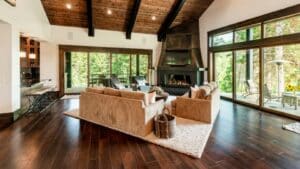
Trim, Molding, and Transition Pieces: The Finishing Touches
Your new hardwood floors will require new baseboards or shoe molding to cover the expansion gap left along the walls. Transition strips are also needed to create a smooth, elegant connection between your hardwood and other flooring types, such as tile in a bathroom or entryway. We even offer custom flush vents that integrate smoothly with your flooring for a truly high-end finish. These elements are essential for a polished, professional look and should be included in your estimate.
Disposal Fees for Old Carpet and Materials
Your old carpet, padding, and tack strips have to go somewhere. Most professional installers will include the cost of hauling away and disposing of all job site debris in their quote. While a minor line item, it’s a necessary part of a full-service project that saves you a trip to the landfill.
Maintenance and Longevity: The Long-Term Value of Hardwood Flooring
The initial cost is only part of the equation. High-quality hardwood flooring, properly installed and maintained, is an asset that can last for generations. Unlike carpet, which the EPA notes is often replaced every 6-10 years, hardwood floors can last over 100. This durability, combined with the fact that homes with hardwood floors often sell faster and for a higher price, makes it a wise long-term investment.
Is Hardwood Floor Installation Worth the Investment? Benefits Over Carpet
Yes, installing hardwood floors is an investment that pays dividends in beauty, health, and home value. Where carpet traps dust, pet dander, and other allergens, hardwood surfaces are easy to clean and help improve indoor air quality. This is a significant benefit for families with allergies or asthma. Aesthetically, the timeless beauty of hardwood is unmatched. It serves as a versatile canvas for any interior design style, from modern minimalist to rustic farmhouse. This universal appeal not only enhances your daily enjoyment of your home but also makes it more attractive to future buyers. A professionally installed hardwood floor is one of the few home improvements that can deliver both immediate personal satisfaction and a tangible return on investment. It truly transforms any space.
Frequently Asked Questions About Hardwood Floor Installation Costs
Can I install a hardwood floor myself?
While it's technically possible, we strongly advise against DIY installation for premium hardwood materials. The risk of costly mistakes like improper acclimation, visible gaps, or an uneven finish is extremely high. Professional installation ensures the job is done to exacting standards, protects your material investment, and comes with a workmanship warranty for peace of mind.
What color wood never goes out of style?
Natural, medium-toned woods are timeless. Colors that showcase the authentic grain of species like White Oak, Red Oak, or Hickory are incredibly versatile and resist passing trends. These warm, organic tones serve as a neutral foundation that complements any decor style and retains its appeal for decades, protecting your home's value.
What is the difference in cost between hardwood and luxury vinyl plank (LVP)?
Generally, luxury vinyl plank is less expensive than solid or engineered hardwood. On average, LVP installation might range from $6 to $12 per square foot. While LVP offers excellent durability and water resistance, it cannot be refinished and does not offer the same long-term lifespan or increase in home value as genuine hardwood.
How long does it take to replace carpet with hardwood?
For a standard project of about 500-1,000 square feet, the entire process from carpet removal to final trim installation typically takes 3 to 5 days. This allows time for proper subfloor preparation and careful installation. Larger or more complex projects, especially those involving site-finishing or custom stair work, may take longer.
The Bottom Line
Replacing carpet with hardwood is a major investment, not a simple expense. The cost is driven by three key choices: the material you select (solid vs. engineered), the species you love (oak vs. exotic), and who you trust with the installation (DIY vs. a seasoned professional). While it’s tempting to focus only on the per-square-foot price, the real value comes from expert craftsmanship that guarantees a flawless finish and decades of durability. A floor done right enhances your home’s beauty and value; one done wrong is a constant, costly reminder. Invest in a process and a partner that will get it right the first time.
Get a Precise Quote for Your Hardwood Floor Transformation
Reading about costs is one thing, but a precise, tailored quote for your unique space is the only way to plan with confidence. Generic estimates can’t account for the specifics of your home’s layout, subfloor, and design vision. Our 30+ years of multi-generational expertise empower us to see what others might miss, ensuring a complete plan with no surprises. Let our team of in-house craftsmen provide you with a detailed assessment. We’ll measure your space, discuss your goals, and help you explore premium material options that fit your aesthetic and lifestyle. It’s time to replace that worn-out carpet with the lasting durability and timeless beauty of hardwood. Schedule Your Free Consultation
- Hardwood Floor Refinishing vs. Replacement Cost: A Comprehensive Guide - June 23, 2026
- What Is the Best Time of Year to Refinish Hardwood Floors? - June 22, 2026
- What Is The Most Popular Flooring Right Now? - June 17, 2026